
- About
- Programs
- Research
- Campus Life
- Career Services
- Admissions
- News & Events
- Alumni








Top 7 Tourism Career Paths to Consider
Explore diverse tourism careers! From hotel management to museum curation, find your perfect role and thrive in the dynamic tourism industry.

Key Takeaways
- A tourism career covers any role that supports travelers, spanning hotel management, tour guiding, wine expertise, and travel planning.
- As one of the fastest-growing global sectors, tourism offers career stability, international mobility, and a wide variety of daily work.
- Among the main career paths worth considering are: hotel manager, tour guide, resort manager, sommelier, cruise director, travel agent, and event manager.
- Strong communication, cultural awareness, adaptability, problem-solving, and customer service matter most across nearly every tourism role.
- In 2026, AI-powered travel planning and regenerative tourism models are creating new specialist roles across the industry.
- Most tourism careers begin with a hospitality or tourism management degree paired with hands-on industry experience.
Few industries depend on human experience as directly as tourism. A single trip can involve hotels, restaurants, events, transportation, local culture, guest services, and problem-solving at every stage. That range makes tourism difficult to define in a single sentence, but it is also what gives the industry its appeal.
A tourism career can begin in guest services, hospitality operations, travel planning, events, destination marketing, wine and culinary experiences, or tour operations. Some roles are highly practical, while others focus on sales, leadership, sustainability, culture, or luxury service. As travel continues to grow in 2026, employers need professionals who understand guest expectations and can adapt across different settings.
What are Tourism Jobs?
Tourism jobs encompass a wide range of occupations that cater to the needs and desires of travelers. These positions are found within various sectors of the tourism industry, including hospitality, transportation, entertainment, and travel services. The primary goal of careers in tourism is to enhance tourists' overall experience, ensuring their trips are enjoyable, safe, and memorable. From hotel managers to tour guides and travel agents, professionals in tourism work together to create seamless and enriching experiences for travelers.
7 Jobs in the Tourism Industry
The tourism industry offers a diverse array of job opportunities, each contributing to the creation of memorable and enriching experiences for travelers. Below, we'll discuss seven tourism career options, each playing a unique part in ensuring that visitors have an enjoyable and unforgettable journey.
Hotel manager
Hotel managers are in charge of overseeing the daily operations of a hotel, ensuring that guests have a pleasant stay and that the establishment runs smoothly. This role generally requires a blend of administrative skills and customer service expertise, including strong leadership, excellent communication, and a keen eye for detail.
A hotel manager must balance various tasks to maintain high standards of hospitality, including:
- Managing staff and coordinating their activities.
- Ensuring compliance with health and safety regulations.
- Overseeing financial operations, including budgeting and revenue management.
- Addressing guest complaints and resolving issues promptly.
- Developing and implementing marketing strategies.
Becoming a hotel manager typically requires a bachelor's degree in hospitality management or a related field, along with crucial experience in the hotel industry. Many managers start in entry-level positions and work their way up, with abundant career advancement opportunities offering the potential to move into higher managerial roles or positions within larger hotel chains.
With experience managing multiple departments and larger teams, hotel managers frequently move into general manager roles or executive positions within hotel chains, making this one of the most direct progression paths in hospitality management.
Tour guide
Tour guides enrich the travel experience by providing informative and engaging tours. They share their knowledge about local history, culture, and attractions, making each tour memorable and educational. This flexible job offers the opportunity to work in various environments, from historical sites to natural parks.
Some of the responsibilities of tour guides include:
- Conducting guided tours for groups or individuals.
- Sharing historical, cultural, and practical insights to enhance the visitor experience.
- Answering questions and addressing concerns from tourists.
- Ensuring the safety and comfort of the tour group.
- Coordinating with other tourism professionals to enhance the tour experience.
Key abilities necessary to fulfill these responsibilities include excellent communication, adaptability, and a friendly demeanor. Tour guides also need a deep understanding of the local area and its attractions. While formal education is not always required, many tour guides hold degrees in history, anthropology, or related fields.
Resort manager
A resort manager oversees the operations of a resort, ensuring guests enjoy a luxurious and seamless experience. This role involves managing both the hospitality aspects and the various amenities the resort offers.
Essential duties associated with this position include:
- Supervising resort staff and their activities to ensure they provide high-quality service and that operations run smoothly.
- Overseeing guest services and amenities.
- Keeping finances in check through effective budgeting and financial oversight.
- Ensuring compliance with health, safety, and environmental regulations.
- Helping implement marketing plans to boost resort occupancy and revenue.
Qualifications for a resort manager often include a degree in hospitality management or business administration, along with extensive experience in the hospitality industry. While the role can be challenging due to the need to manage diverse operations, it is also highly rewarding, offering opportunities for career growth within the luxury hospitality sector.
Your Hospitality Journey Starts Here
Master the art of hospitality management
A diverse group of individuals representing various careers in tourism.


Sommelier
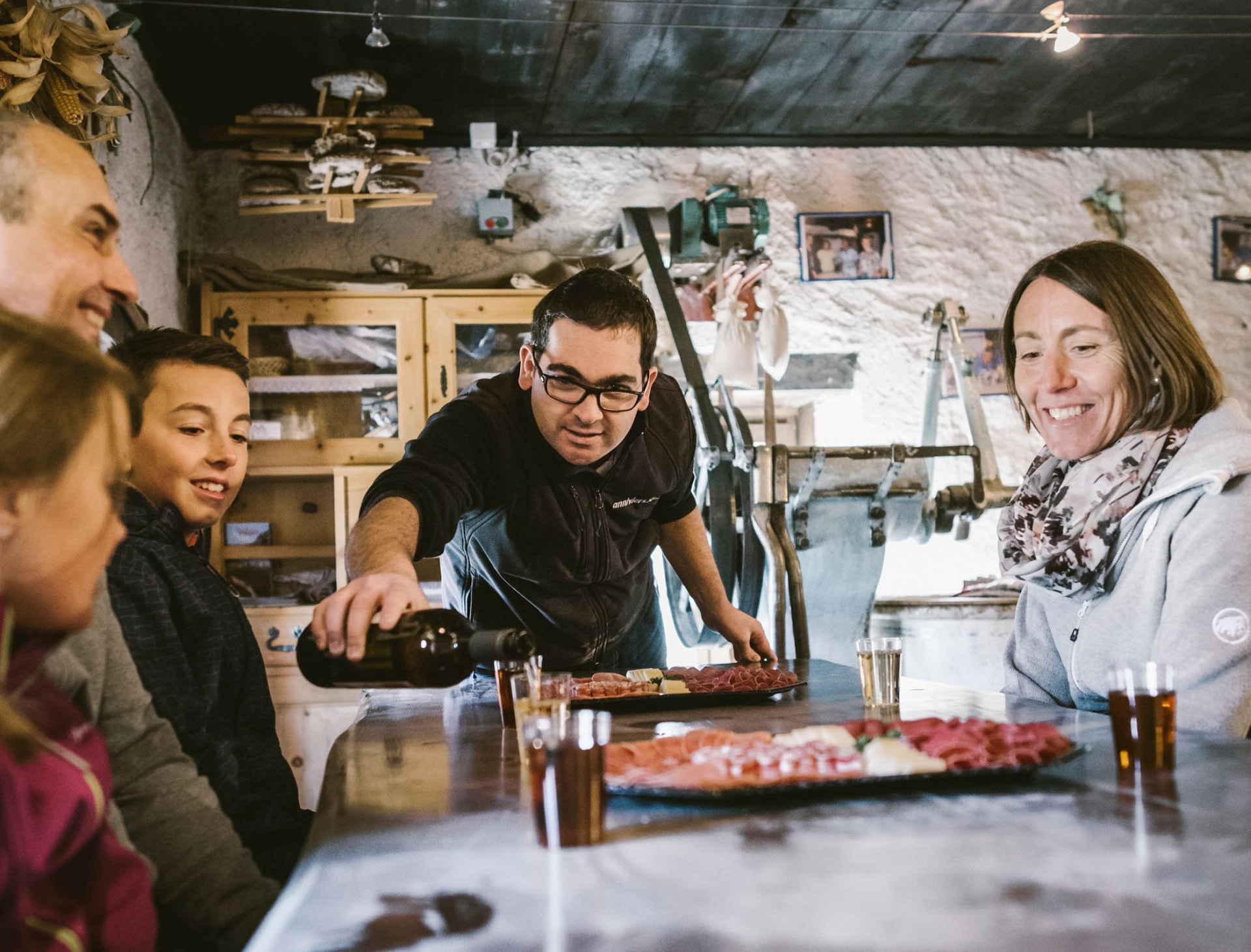
A sommelier is a wine expert responsible for curating wine selections and enhancing the dining experience in restaurants and hotels. This specialized role involves a deep knowledge of wines and a passion for sharing this knowledge with guests. Moreover, these professionals must have an excellent palate, strong communication, and a thorough understanding of wine production and regions.
Key tasks involved in this role are:
- Curating and managing the wine list.
- Advising guests on wine pairings with their meals.
- Conducting wine tastings and training staff on wine service.
- Managing the wine inventory and sourcing new wines.
- Ensuring proper storage and handling of wines.
While the legal age for consuming alcohol is certainly a requirement in the sommelier's role, given the necessity of wine tasting, no formal requirements dictate who can or cannot be employed as a sommelier. Nevertheless, certification is usually required, and formal education is often preferred as the responsibilities of the role—from advising wine pairing to customers in a restaurant to purchasing wine for resale—always require more than an in-depth knowledge of wine.
Cruise director
A cruise director leads the onboard guest experience for a cruise ship, overseeing entertainment, events, and programming across voyages that can run anywhere from a few days to several weeks. The role sits at the crossroads of hospitality, live entertainment, and day-to-day operations, requiring comfort in front of large groups as much as behind the scenes.
Core responsibilities include:
- Planning and coordinating the entertainment program across the voyage, including shows, activities, and themed events.
- Hosting and emceeing onboard events, daily briefings, and port-of-call orientations.
- Managing the entertainment and activities staff.
- Serving as the senior guest-facing representative, handling escalations and ensuring overall guest satisfaction.
- Coordinating with hotel operations, food and beverage, and shore excursion teams to deliver a consistent guest experience.
Cruise directors typically build their background in hospitality, entertainment, or events before stepping into the role, often starting as entertainment staff or assistant cruise directors and working their way up. Strong communication and public-speaking skills are essential, along with the willingness to live aboard for extended contracts. Major cruise lines place a high value on a hospitality management degree.
Hotel general manager
A hotel general manager oversees the entire operations of a hotel, often including multiple departments and large teams. This role requires strategic planning and high-level decision-making to ensure the hotel's success.
Among their primary responsibilities are:
- Managing housekeeping, front desk, food services, and more.
- Creating plans to drive the hotel's growth and profitability.
- Ensuring sound financial practices and budget management.
- Maintaining high standards of service to keep guests happy.
- Leading and mentoring the management team.
Extensive experience in the hospitality industry and a degree in hospitality management or business administration are often required to become a hotel general manager. Moreover, career advancement can lead to executive roles within hotel chains or corporate positions in the hospitality industry.
Travel agent
Travel agents assist clients in planning and booking their travel arrangements, offering expert advice and ensuring a smooth travel experience. This role involves a deep understanding of travel options and a commitment to customer satisfaction.
Some of the responsibilities of a travel agent include:
- Assisting clients with travel planning and booking
- Providing recommendations on destinations, accommodations, and activities
- Coordinating flights, hotels, car rentals, and other logistics.
- Offering assistance when problems arise.
- Keeping up-to-date with travel trends and industry developments.
Obtaining a degree in travel and tourism or a related field can provide valuable knowledge and skills, especially for those aspiring to start their agency one day. Formal education in hospitality enhances your understanding of the industry, improves customer service abilities, and offers insights into business management, all of which are crucial for running a successful travel agency.
Event manager
Event managers design and run conferences, weddings, corporate retreats, festivals, and meetings, handling everything from the initial concept through on-site execution. The role sits at the intersection of hospitality, project management, and creative production, with strong demand across both corporate and luxury segments.
Core responsibilities include:
- Planning event concepts, budgets, timelines, and logistics.
- Coordinating with venues, caterers, AV teams, entertainers, and other vendors.
- Managing on-site execution and resolving issues as they arise.
- Negotiating contracts and maintaining relationships with clients and suppliers.
- Overseeing post-event reporting, supplier reconciliation, and client follow-up.
Event managers typically hold a degree in hospitality, event management, business administration, or a related field. Strong organizational skills, attention to detail, and composure under pressure matter just as much as formal training. Many start as event coordinators or assistants before moving into management, and the MICE (meetings, incentives, conferences, exhibitions) segment offers particularly strong room for growth.
How Tourism Careers Are Evolving in 2026
The seven careers above remain central to the tourism industry, but the skills and knowledge needed to succeed in them are evolving. Tourism professionals increasingly need to navigate new technologies, changing traveler expectations, sustainability priorities, and emerging travel habits.
AI is one of the most significant developments shaping the industry. Travelers are using generative AI to research destinations, compare options, build itineraries, translate information, and receive personalized recommendations. McKinsey found that among travelers who had tried generative AI tools, 84% said the experience improved. Deloitte's 2026 Travel Industry Outlook also reports that generative AI use in trip planning roughly tripled between 2023 and 2025, led by millennial travelers. Rather than replacing tourism professionals, these tools are increasing demand for people who can combine technology with sound judgment, local expertise, accuracy, and high-quality customer service.
Sustainability is becoming a larger part of tourism decision-making. Reports from the World Travel and Tourism Council show that more than 80% of travel and tourism goods and services depend directly or indirectly on healthy ecosystems. As a result, sustainability is not only an environmental concern but also a business consideration. Hotels, tour operators, destinations, and travel companies increasingly need professionals who understand resource management, community impact, climate-related risks, biodiversity, and responsible tourism practices. This has increased the importance of sustainability-focused roles across the sector.
Travel behavior is changing as well. Hybrid work has contributed to the growth of bleisure travel and longer stays, creating new opportunities for hotels, resorts, destinations, and event organizers. Businesses are adapting their products, services, and pricing to meet the needs of travelers who combine work and leisure. At the same time, younger travelers are placing greater emphasis on authentic experiences, local culture, social media inspiration, and personal values when choosing destinations.
These trends are reshaping expectations across the tourism industry. A hotel manager may need to accommodate long-stay remote workers. A travel advisor may need to incorporate AI tools into the planning process. A destination marketer may need to communicate sustainability initiatives clearly and credibly. A tour operator may need to create experiences that reflect local culture and changing traveler preferences. Across all tourism careers, professionals who can adapt to new technologies, understand evolving consumer behavior, and deliver strong customer experiences will be best positioned for long-term success.
Why Choose a Career in Tourism?
Choosing a career in tourism can be incredibly rewarding for many reasons. The tourism industry is one of the fastest-growing sectors globally, constantly evolving with new destinations, technologies, and travel trends.
Here are some compelling reasons to consider a career in tourism:
- It often provides the chance to travel and explore new places locally and internationally.
- It provides cultural exchange, allowing professionals to interact with people from different backgrounds, enhancing their cultural awareness and global perspective.
- It offers numerous opportunities for career growth and advancement.
- It promotes personal development as workers build communication, problem-solving, and customer service competencies.
- It significantly contributes to the global economy, generating substantial revenue and creating millions of jobs, ensuring a stable and impactful career.
- It offers competitive salaries, benefits, and the potential for tips and bonuses.
Essential Skills and Characteristics for a Tourism Career
Certain skills and characteristics are essential for careers in tourism. These help ensure success and enhance the overall experience for both professionals and their clients.
Firstly, effective communication is crucial in tourism. Whether giving directions, explaining cultural nuances, or resolving customer complaints, clear and articulate communication ensures that travelers feel informed and valued. Understanding and respecting cultural differences is also vital. This skill helps connect with clients from diverse backgrounds and ensure their cultural expectations and practices are respected. Being attentive, empathetic, and responsive to customer needs can make all the difference in creating a positive experience, especially when dealing with different cultures.
The tourism industry is ever-changing, with unpredictable situations such as weather changes, travel delays, or sudden influxes of tourists. Being adaptable allows professionals to handle these situations smoothly and efficiently. Quick thinking and effective problem-solving are essential in managing unexpected challenges, whether it's a last-minute itinerary change or a guest complaint. The ability to find solutions promptly is invaluable.
Finally, a genuine passion for travel and a love for hospitality can set you apart in the tourism industry. Enthusiasm is contagious and can significantly enhance the experience for travelers. This passion drives professionals to go the extra mile for their clients.
Is the Tourism Industry Right for You?
The tourism industry often demands flexibility, as jobs can involve irregular hours, including weekends and holidays. Working environments can range from bustling airports and hotels to serene resorts and remote tour locations. While the work can be exciting and varied, it also requires a high level of energy and adaptability. So, deciding on a career in tourism requires careful consideration of your interests, strengths, and lifestyle preferences.
Here are some questions for self-assessment to help you determine if a tourism career is a good fit for you:
- Do you enjoy interacting with people from diverse backgrounds?
- Are you comfortable with flexible and sometimes irregular work hours?
- Do you thrive in fast-paced environments?
- Are you passionate about traveling and exploring new cultures?
- Do you possess strong problem-solving skills and can handle unexpected situations calmly?
- Can you maintain a positive attitude even in stressful situations?
- Are you comfortable working in both indoor and outdoor settings?
- Do you have good communication skills and enjoy providing exceptional customer service?
- Are you willing to continuously learn and adapt to new trends in the tourism industry?
- Do you enjoy creating memorable experiences for others?
Where to Start Your Tourism Career
The tourism industry offers many entry points, but the strongest careers usually start with the same foundation: service skills, business understanding, cultural awareness, and direct industry experience. Whether the role is in hotels, events, travel planning, destination marketing, or guest services, employers need people who can work well with guests, adapt quickly, and understand how tourism businesses operate.
Education helps bring those pieces together. A hospitality or tourism management program gives students a structured way to study the industry, build professional habits, and gain exposure to real business settings before entering the workforce. The Bachelor of Science in Hospitality Business Management at César Ritz Colleges is built around that combination, with hospitality business training, practical learning, and an international environment that reflects the global nature of tourism.
For students who want to turn an interest in travel into a long-term career, the best starting point is such a program that helps develop both the service mindset and the business judgment the industry requires.
Frequently Asked Questions (FAQs)
What qualifications are needed for a career in tourism?
Qualifications for a career in tourism vary but typically include a degree in hospitality, tourism management, or a related field, along with strong communication and customer service skills. Relevant experience and knowledge of foreign languages can also be beneficial.
What are the benefits of a career in travel and tourism?
A career in travel and tourism offers opportunities to explore new places, meet diverse people, and create memorable experiences for travelers. It can be highly rewarding, providing personal satisfaction and the potential for career advancement in a dynamic and growing industry.
What is the best career in tourism?
The best tourism career depends on what kind of work someone wants to do. Hotel and resort management is a strong option for people who want leadership, operations, and guest-facing responsibility. Event management may suit people who enjoy planning, logistics, and live experiences. Travel advising, destination marketing, tour operations, and wine tourism can also be strong choices for people interested in culture, sales, storytelling, or specialized guest experiences. The best and strongest choice is usually the career that fits a person’s skills, interests, and preferred work environment.
What are the most in-demand tourism careers in 2026?
In 2026, strong opportunities appear to be forming around roles that respond to current changes in travel behavior and tourism operations. Hotel and resort management, event management, travel advising, and destination marketing remain important career areas. At the same time, AI-assisted travel planning, sustainability-focused tourism, regenerative travel, MICE events, and cruise operations are creating new or more specialized needs across the industry. These areas may be especially worth watching for students who want to build skills aligned with where tourism is heading.
Your Hospitality Journey Starts Here
Master the art of hospitality management