

- About
- Programs
- Research
- Campus Life
- Career Services
- Admissions
- News & Events
- Alumni






Hospitality Industry Trends in 2026: AI, Bleisure, and More
Discover the top hospitality industry trends in 2026, from AI-powered personalization to sustainability and wellness. See what's shaping the future.

Key Takeaways
- Hospitality industry trends in 2026 are driven by three forces: AI mainstreaming across hotel operations, tightening ESG expectations from guests and investors, and a workforce that requires new skills and roles.
- AI is now operational: chatbots, predictive personalization, and AI-driven revenue management are standard practice at major brands, including Hilton and Marriott.
- Leadership in 2026 requires a different skill set: strategic thinking, digital fluency, and the ability to manage hybrid human-AI operations.
Hospitality industry trends in 2026 are largely influenced by three intersecting forces: the mainstreaming of artificial intelligence across hotel operations, growing ESG mandates from guests, investors, and regulators, and a workforce in active transition toward new roles and skill requirements. They are redefining how hotels compete and what it means to build a career in the sector.
For hospitality businesses, the gap between early adopters and laggards is widening. Properties that invest in better technology, stronger sustainability practices, and staff development are better placed to earn guest loyalty and protect revenue. Those who delay may find it harder to keep pace as expectations rise.
Top Hospitality Industry Trends in 2026
The hospitality industry continues to change quickly as technology, guest expectations, and workforce needs keep shifting. The hospitality industry trends in 2026 worth watching include AI and automation, sustainability, personalization, smart hotel systems, bleisure travel, immersive technology, workforce change, and more specialized leadership.


Your Hospitality Journey Starts Here
Master the art of hospitality management
Technology and AI
Integrating technology in the hospitality industry has significantly changed the guest experience and operational efficiency. In 2026, technology-driven services are expected to continue growing, with investment in digital tools and platforms accelerating. Nearly half of executives in the global travel and hospitality sector have identified new technology as a top business priority, with 84% maintaining a dedicated team for digital operations.
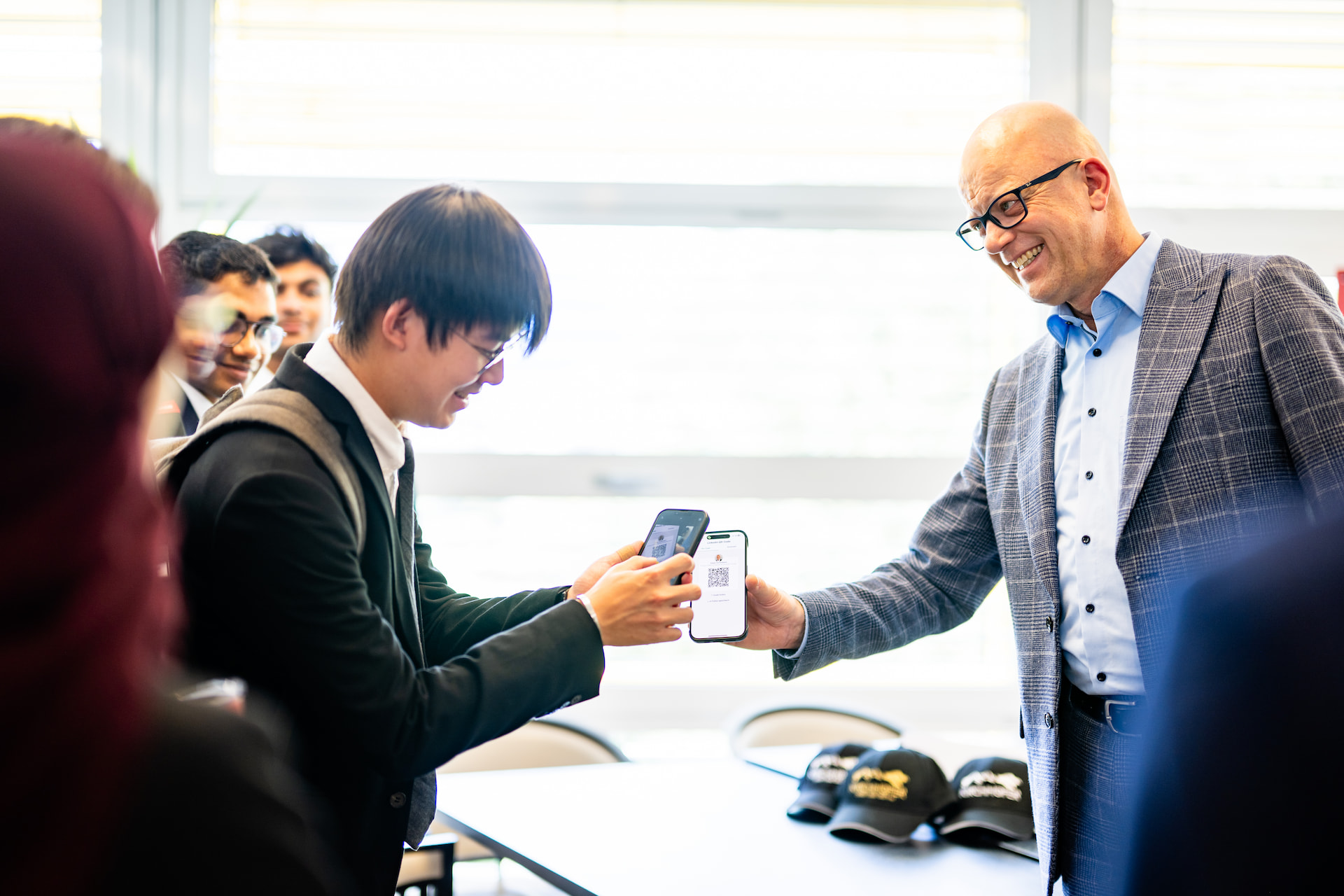
Key areas of digitalization include the check-in and check-out process and the use of apps for services like opening room doors. A survey found that 73% of hotel guests preferred using an app for room access. The use of mobile apps specifically is becoming standard, reflecting the industry's move toward a more digitized environment.


AI use cases in hospitality have moved from pilot to standard practice. Hilton's AI concierge "Connie," built on IBM Watson, handles guest inquiries and local recommendations at the front desk, allowing staff to focus on higher-value interactions. Marriott's Renaissance Hotels has deployed RENAI, an AI-powered virtual concierge accessible via messaging apps, which is now live across multiple properties globally.
In addition to guest-facing applications, generative AI is increasingly used to handle service queries at scale, with AI chatbots now resolving 60 to 80% of routine guest requests across major brands. Predictive personalization based on past stays, booking patterns, and stated preferences is also now mainstream, allowing hotels to tailor room settings, upgrade recommendations, and activity suggestions before a guest arrives.
Health and wellness
The health and wellness trend continues to gain momentum, particularly in the post-pandemic era. However, this focus on wellness is not a temporary response to the pandemic but a long-term shift in consumer behavior. For example:
The wellness tourism industry is poised for significant growth. The global market size is expected to more than double by 2030, potentially exceeding a value of over one trillion U.S. dollars. This booming sector reflects the growing desire among travelers to return from their vacations feeling rejuvenated and refreshed rather than simply indulging in luxury for its own sake.
Luxury tourists, in particular, are increasingly seeking holistic wellness experiences that go beyond the typical spa offerings. According to recent data, 88% of luxury travelers consider fitness important during their leisure trips, indicating a strong demand for comprehensive wellness services that include fitness classes, health-focused menus, and even on-site anti-aging treatments and mindfulness programs.
Sustainability


Sustainability, also known as ecotourism or green tourism, is a concern for both travelers and hospitality providers. As awareness of environmental issues grows, more facilities are adopting sustainable practices to reduce their carbon footprint and appeal to eco-conscious guests. They do so by reducing energy consumption, participating in recycling programs, and earning green certifications.
The rise in greenhouse gas emissions, overcrowding, and the loss of socio-cultural authenticity in host communities have intensified the demand for more sustainable tourism practices. Over 80% of global travelers acknowledge the importance of sustainable tourism and express a willingness to adopt sustainable travel practices, contributing to the ecotourism industry's global market size of $172.4 billion.
The impact of tourism on the climate is significant, with tourism-related transport alone expected to grow, accounting for 5.3% of all man-made emissions worldwide in 2030. This has driven a growing awareness among travelers regarding social and environmental responsibility. Many travelers consider hotel sustainability to be a critical factor in their decisions, as more than 50% of global travelers seek accommodations with innovative sustainability practices.
Social media
Social media has become the primary source of travel inspiration for a significant share of global travelers. According to data compiled by Hotelagio in 2025, 83% of travelers now turn to social media for trip ideas. Platforms like TikTok and Instagram function increasingly as visual search engines for travel, with the hashtag #travel accumulating more than 223 billion views on TikTok alone. Moreover, 57% of travelers capture and share content during their trips, making visually appealing spaces a tangible business advantage for hospitality properties.
Dining choices are also heavily shaped by social media. In the UK, four in ten travelers reported that platforms inspired them to try a specific restaurant or dish while abroad.
Personalization


Gone are the days when a one-size-fits-all approach could satisfy the diverse needs of customers. Nowadays, travelers prioritize experiences that cater specifically to their individual preferences and interests. This transition has pushed the hospitality industry players to move beyond generic offerings and instead focus on targeted segmentation and hypothesis-driven testing to enhance their value propositions.
Personalization doesn't necessarily require crafting experiences for each and every potential customer; rather, it involves a deeper understanding of specific segments. For example, rather than offering a broad family vacation package, a provider might create a tailored experience for families traveling in the spring who prefer outdoor activities.
Bleisure and blended travel
Hybrid work has cemented bleisure travel (business combined with leisure) as a permanent segment of the travel market, not a passing post-pandemic trend. According to recent reports, 55% of business travelers took at least two trips that blended business and leisure in 2024. A separate analysis found that 66% of business travelers extended work trips for personal time in the past year, a figure expected to rise as flexible travel policies become standard across employers.
Hotels are responding with targeted product changes. Room redesigns now routinely include proper workstations with ergonomic seating, large monitors, and reliable high-speed connectivity, which has become a non-negotiable baseline rather than a premium feature. Longer-stay packages, flexible checkout windows, and curated local experience guides are being developed specifically for this guest type. For hospitality operators, bleisure is not just a longer average stay. It is a fundamentally different kind of stay, one in which the same guest switches between focus and leisure modes multiple times during a single booking.
Immersive technology and VR


In 2026, virtual reality's biggest impact in hospitality is operational and pre-booking rather than primarily guest-facing. Hotels and destination marketers are using immersive 360-degree content on websites and apps to reduce booking uncertainty, allowing potential guests to walk through rooms, view event spaces, and explore properties before committing.
The global market for virtual reality in tourism was valued at $7.53 billion in 2025 and is expected to reach $27.5 billion by 2029, growing at a compound annual growth rate of 38.2%. This sustained growth reflects increasing investment by travel brands in immersive content as a conversion tool.

On the marketing side, mixed reality and avatar-guided destination experiences are gaining ground among tourism boards and hospitality groups looking to reach international audiences who cannot visit in person before booking. VR previews of hotel properties and destination itineraries are also being integrated into loyalty apps, giving frequent travelers a richer way to plan future stays.
While hardware costs remain a barrier to widespread guest-side VR adoption, web-based and mobile delivery of immersive 360-degree content continues to reduce that friction for most travelers.
Local and authentic experiences
The desire for local and authentic experiences has also become a trend, with travelers increasingly seeking to connect with the culture, traditions, and daily life of their destinations. Rather than just visiting popular tourist spots, many guests now prefer experiences that allow them to engage with the local community, savor regional cuisines, and participate in cultural practices.
Hotels and accommodations are responding to this trend by incorporating elements that reflect the local culture, whether it's through the design of the space, the food served, or the activities offered. As this trend continues to grow, hotels that can effectively integrate local culture into their offerings will likely stand out among their competition.
The evolving hospitality workforce
Hospitality roles are evolving in ways that expand career scope and professional value. AI is not replacing the workforce wholesale; it is redistributing it.
As chatbots and automation take over routine transactions, hospitality professionals are moving into higher-complexity roles that require judgment, creativity, and guest relationship skills that technology cannot replicate. The sector created 27.4 million additional jobs globally in 2024 and is projected by the World Travel and Tourism Council to employ 449 million people worldwide by 2034, representing 12.2% of the global workforce.
Three dimensions of this workforce evolution are particularly relevant for those building careers in the sector:
- AI functions as a career multiplier: professionals who can interpret AI-driven insights and make strategic decisions based on them, in revenue management, marketing, or guest experience design, are becoming significantly more valuable than those who perform the tasks AI now handles.
- Upskilling is a genuine growth opportunity rather than a remedial measure. New roles in sustainability management, guest experience design, revenue science, and data analytics are expanding, and the professionals who grow into them early will have a first-mover advantage.
- Gen Z is bringing different expectations around purpose, flexibility, and employer values that are actively reshaping how hospitality companies recruit, retain, and develop talent.
Leadership and management


Hospitality leadership in 2026 looks quite different from what it did a decade ago. General managers and senior operators are expected to bring strategic capabilities, such as fluency in data and analytics, the ability to lead hybrid human-AI teams, ESG accountability, and the capacity to think commercially about revenue, talent, and brand simultaneously. The operational complexity of running a modern property or hospitality group has expanded considerably, and, naturally, the leadership skills required have expanded with it.
Modern hospitality leaders need to do more than manage daily operations. They are expected to develop their teams, communicate across cultures and departments, and make decisions using both data and judgment as the industry continues to change.
That shift is one reason advanced leadership training has become more relevant in hospitality. Future leaders need a stronger mix of hospitality knowledge, strategic thinking, people management, and organizational understanding. The César Ritz Colleges Master of Science in Leadership responds to that need by situating leadership development within a hospitality and business context, enabling students to build the skills the industry now expects of senior professionals.
Factors Influencing Hospitality Trends
Hospitality industry trends are shaped by various factors that reflect general societal shifts. For example, technological advancements and cultural dynamics play a big role in transforming how guests interact with services and plan their travels.
Additionally, economic crisis, environmental concerns, geopolitical shifts, and EU CSRD reporting requirements can change consumer behavior, pushing the industry to adapt in real time. Hospitality businesses looking to stay ahead need to understand these factors, as this enables them to respond to changes and tailor their offerings to their clientele's needs.
The Importance of Staying Updated with Hospitality Trends
The preferences and expectations of travelers are constantly shifting, influenced by technological advancements, cultural changes, and global events. For hospitality businesses, keeping a finger on the pulse of these trends means anticipating guest needs and delivering experiences that exceed expectations.
Staying informed about industry developments can inspire innovation, help businesses differentiate themselves from their competition, and build lasting connections with guests. So, being aware of and adapting to current trends allows hotels and other establishments to remain competitive and relevant.
The Road Ahead for Hospitality
The hospitality industry in 2026 is defined by convergence. Technology, sustainability, personalization, and workforce development are no longer separate priorities; they interact. A business that invests in AI without considering the staff capabilities needed to work alongside it, or that focuses on sustainability certification without communicating it to the guest segments who prioritize it, will not get the full return on either investment.
For students preparing to enter or advance within this industry, that complexity is an opportunity. The professionals who will lead hospitality through the next decade are those who are operationally fluent, analytically capable, and equipped with the leadership skills to build and retain strong teams.
Frequently Asked Questions
What is the biggest trend for hospitality and tourism in 2026?
The most significant trend in 2026 is the operational mainstreaming of AI. Major brands, including Hilton, Marriott, and Accor, now use AI for guest-facing concierge services, predictive personalization, and dynamic revenue management.
What is the biggest challenge facing the hospitality industry?
Workforce development is among the most pressing challenges. The skills required for hospitality roles are changing faster than training programs can keep pace. Properties need staff who can work alongside AI systems, interpret data, and deliver the high-touch human service that technology cannot replicate.
How is AI transforming the hospitality industry?
AI is reshaping hospitality across three areas: guest service (chatbots and virtual concierges that handle routine queries 24 hours a day), revenue management (dynamic pricing systems that adjust rates in near real time based on demand signals), and personalization (systems that draw on past stay data to tailor room settings, upgrade recommendations, and activity suggestions before a guest arrives).
What is the future of the hospitality industry?
The hospitality industry is set for continued growth, with wellness tourism, bleisure travel, and immersive technology all expanding at pace. The properties and professionals best positioned for that future are those investing now in the capabilities, tools, and leadership skills that the next decade's guests and teams will require.
Your Hospitality Journey Starts Here
Master the art of hospitality management